Why a Screen Creates Two Jobs for a Defender
Basketball screen defence makes two defenders read different threats: the ball handler’s route and the screener’s next move. Learn what each choice means.
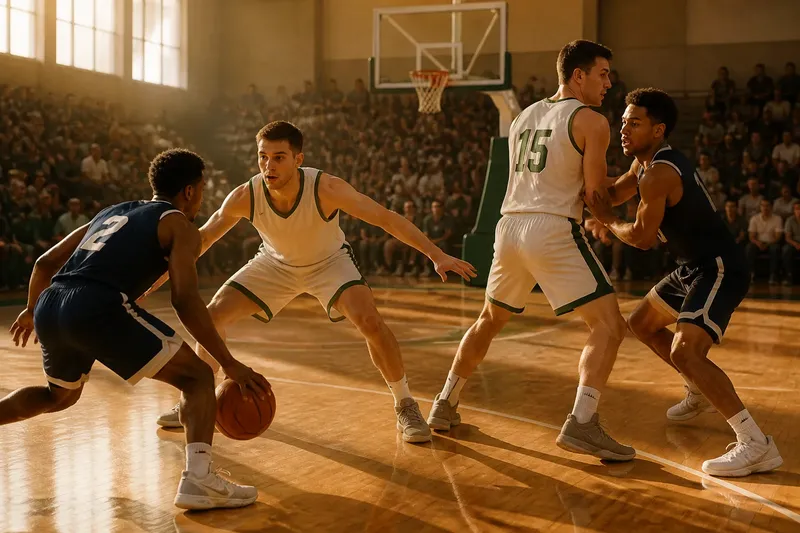
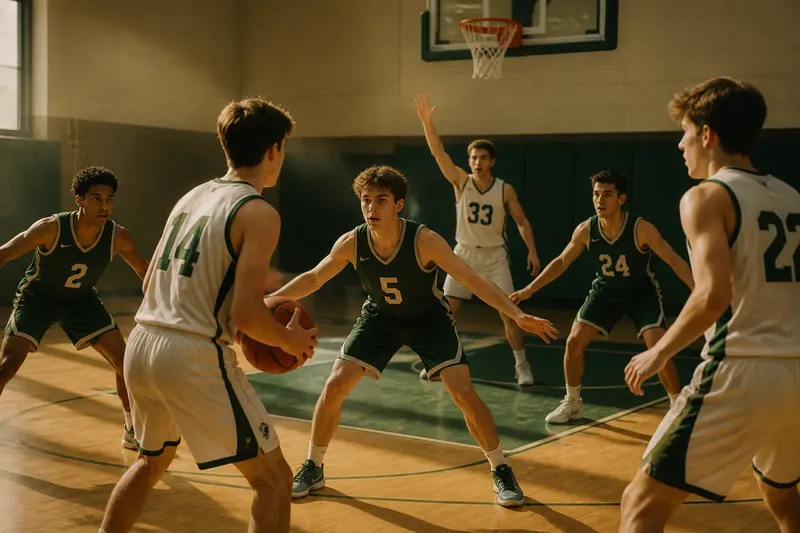
What should defenders do when a screen blocks the route to the ball handler? Basketball screen defence gives two players different jobs: the on-ball defender must respond to the ball’s route, while the defender guarding the screener must judge what the screener will do next. The challenge is not simply getting around a body. It is making two connected decisions without losing track of two attacking players.
A screen changes the route, not the assignment
A screen, also called a pick, is an attempt to obstruct a defender so the ball handler can move into space. The screener usually plants in the defender’s path, then may roll towards the basket, pop out to receive a pass or remain where they are. The ball handler can go over the screen, turn the corner around it, reject it by moving the other way, or pause and use a different route.
Those possibilities matter because the screen creates a moment when the two defenders cannot both stay attached to their original opponents in the same way. The on-ball defender is trying to recover a path to the dribbler. The screener’s defender has to decide whether to help contain the ball, stay with the screener, or do some of each for a short time.
Think of the screen as a door opening between two rooms. One defender is watching the person who has just moved through it; the other is watching the person who may follow. If each watches only their original player, the attacker can exploit the gap. If both chase the ball, the screener may be left free.
The on-ball defender reads the handler’s route
The defender guarding the ball begins by judging how the screen is set. If it is likely to be used, the defender may try to get over the screener and stay close to the ball handler’s shoulder. This can matter when the handler is a threat to shoot from outside or to turn the corner quickly. Going under may offer a shorter route back to the ball, but it can also give the handler room to shoot or build speed.
The choice is not always simply over or under. The on-ball defender may try to squeeze through a narrow gap, go around the screener’s outside shoulder, or briefly switch attention towards the ball while recovering. The right route depends on the handler’s movement, the screen’s angle and the coverage the team has chosen.
A defender also has to notice when the screen is only a decoy. The handler may reject it and drive in the opposite direction. If the defender has committed to squeezing past the screener, that sudden turn can leave them trailing. Reading the handler’s hips and dribble can help, but the defender still needs to see the screener’s position in peripheral vision and communicate the change.
For the on-ball defender, the immediate question is: how can I stay connected to the handler without running into the screen or surrendering the route to the basket? A good answer is not always a dramatic chase. Sometimes it means taking a route that keeps the handler in front long enough for help to arrive.
The screener’s defender reads the next threat
The defender assigned to the screener has a different problem. If they remain close to the screener, the ball handler may turn the corner with little resistance. If they step towards the ball, the screener may roll behind them or pop into open space. Their task is to judge how much help the handler needs and how quickly they can return to the screener.
One option is to show briefly: move into the handler’s path, then recover to the screener. Another is to drop back towards the basket, inviting a jump shot while guarding against a drive. A team may also choose a switch, with each defender taking the other attacker, or send a hard double at the ball to force it out of the handler’s hands. These are different coverages, not interchangeable reactions.
In a show, timing is central. The screener’s defender steps out long enough to slow the handler but should not linger if the original defender is recovering. In a drop, the defender gives ground while trying to protect the lane and keep the handler in view. A switch can prevent the handler from gaining a clear route, but it may leave a smaller defender matched against a taller screener, or the reverse.
The screener’s defender is therefore reading more than the ball. They need to see whether the screener is rolling, stopping for a pass or slipping away before contact. A screen can be followed by a quick change of direction, and a defender who watches the ball throughout may miss that movement.
How do the two decisions fit together?
What does “go over” a screen mean?
The on-ball defender takes a route around the screener’s upper side, aiming to stay close to the handler. The screener’s defender may need to contain the ball briefly while that defender recovers.
When does a defender go under?
The on-ball defender passes beneath the screen, often to avoid getting caught behind it. This can give the handler more space, so the screener’s defender may need to hold a position that discourages a direct drive.
What does a switch change?
The defenders exchange the players they guard rather than trying to return to their original match-ups. The on-ball defender now takes the screener, while the screener’s defender takes the handler, so both must recognise the exchange and communicate it.
Why does the screener sometimes slip?
A slip is an early move towards the basket or open space before the screen is fully used. It tests whether the screener’s defender is focused on containing the ball and whether the on-ball defender can spot the change.
Communication keeps a short disruption from becoming a gap
Because each defender sees a different part of the action, concise calls help join their decisions. The on-ball defender might call the screen’s side or say that they are going over. The screener’s defender can call the coverage—such as “drop”, “show” or “switch”—so the partner knows whether help is coming and what route to expect.
These words only help if both players understand them in the same way. A defender who hears “switch” but tries to recover to the original player can collide with a teammate or leave both attackers unguarded. Clear communication is particularly useful when the screen arrives late in a possession, when a second screen follows, or when players have to make the call while moving.
The rest of the defence also has a role. A teammate may need to cover a rolling screener temporarily if the screener’s defender steps towards the ball. Another defender might then shift to protect the player that teammate has left. That extra rotation is a team response to the initial two-player decision, not a reason for either defender to lose track of their immediate assignment.
Read the action rather than judging one move in isolation
A defender who gets around the screen can still be beaten if the handler changes direction. A defender who steps up to the ball can still do the right thing if a teammate covers the roll. The useful question is not whether a player went over, under or switched in the abstract; it is whether the two defenders’ choices addressed the threats in front of them.
Say you are watching an invented sequence: a ball handler approaches a screen on the right, while the screener’s defender waits near the lane. The on-ball defender calls “over” and follows the handler’s outside shoulder. The screener’s defender shows for a moment, sees the handler keep moving rather than pull up, then drops back as the first defender catches up. The observable result to look for is whether the handler’s path stays contained and whether the screener remains accounted for—not whether either defender made a particular gesture.
To read basketball screen defence, track both attackers after the screen begins. First follow the handler’s route and notice how the on-ball defender tries to stay connected. Then watch the screener: does their defender help, switch or hold position, and can they respond to a roll or pop? Keeping both jobs in view explains why a screen is a shared decision, even when only one player has the ball.